


Awaab’s Law – Another Reason to Further Delay the Fixed Costs Extension in Housing Conditions Claims?
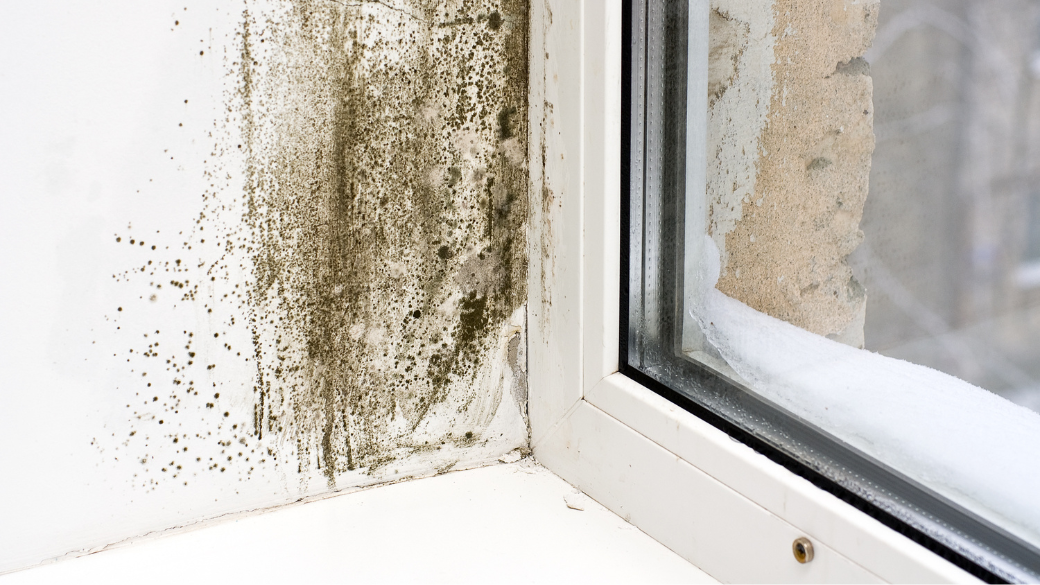
Awaab’s Law achieved royal ascent in July 2023, named out of respect for and to raise awareness of the two-year-old boy who tragically lost his life as a result of the living conditions in his home containing deadly mould. The consultation on the new Social Housing Regulation Act began earlier this year but was delayed by the general election. Now the new Labour government has issued its first major update on Awaab’s Law since the King’s Speech, and it is likely that it will become law at some point in 2024. The new Social Housing Regulation Act is intended to ensure that social housing landlords will face strict new timeframes to inspect and repair damp and mould in social housing and it is also expected that the same level of accountability will be extended to private rental housing under the Labour’s new Renters Rights Bill.
Nick McDonnell, Director at Kain Knight says “The news that Awaab’s Law will gain increased traction under the new government is a further, significant step for increased protection of the millions that live in social housing. This is another reason why the proposed extension of Fixed Recoverable Costs (FRC) into housing conditions claims must be delayed further. Currently the FRC regime does not apply to housing disrepair cases, however the Government in 2023 did propose that they would be extended into this area in January 2025.”
Implementing further, and wider, FRC regimes to include housing conditions claims will significantly increase the number of situations whereby solicitors will be forced to charge their clients the shortfall between the solicitor/client conventional costs and the between-the-parties FRC contribution and this is simply not sustainable in a sector where the claimant receives no, or hardly any, financial compensation.
In housing conditions claims, the financial value of the claim can be low, but the claims themselves can be complex and of profound importance to the client, many of whom are highly vulnerable, especially when a claim may result in them having to leave their home. The claims are mostly non-monetary, and the remedy sought by a tenant from a landlord is usually for specific performance to complete repairs to a property.
Where there are no, or very low, financial damages in addition, most Claimants will be unable to contribute to their legal fees and if the legal representatives specialising in those areas are subjected to fixed recoverable costs, it is highly likely those legal representatives will be unable to conduct claims profitably for the fixed recoverable costs alone. As a consequence, those firms may have no choice but to exit the market, leaving some of the country’s most vulnerable Claimants exposed without legal representation and housing associations escaping justice being done for their tenants. That would clearly be an affront to Access to Justice.
Nick says “All of this must create a compelling argument as to why the Government should postpone the extension of FRC into housing claims even further. Otherwise, the housing firms will simply not be incentivised to resolve these crucial housing issues. I think that once the law has been first clarified, implemented and given chance to settle in, things can be reassessed. But until then…any extension to the FRCs in HDR cases needs to be pushed off way beyond January 2025.”

