


1976: A Year of Great Expectations (and Occasional Facepalms)
“It was the best of times, it was the worst of times…” Dickens could have been talking about my life in 1976, though I’m fairly sure he wasn’t picturing a man in a slightly questionable band jacket trying to balance nappies and litigation files.
That year I was married, welcomed my son Matt, stayed in the band (because every respectable City lawyer needs a side hustle with dodgy guitar solos), and ran a litigation department. I’d passed the Legal Executive fellowship course in 1974 and was two papers away from becoming an Articled Clerk (to those in this world, a trainee Solicitor.)
I passed the administration paper. Then… Land Law. Three times. Failed. Three. Times.
At that point, my Plan B—previously just a half-baked idea lurking in the background, began to look suspiciously like an actual plan: start a Costs Company.
I’d already taught myself how to do ‘costs’. At the firm I worked for, we were expected to draft our own inter-party bills, which is how I discovered that arguing about other people’s legal fees can be strangely satisfying. So, I wrote to six people I knew announcing my new empire.
M.B. Kain and Co. was born
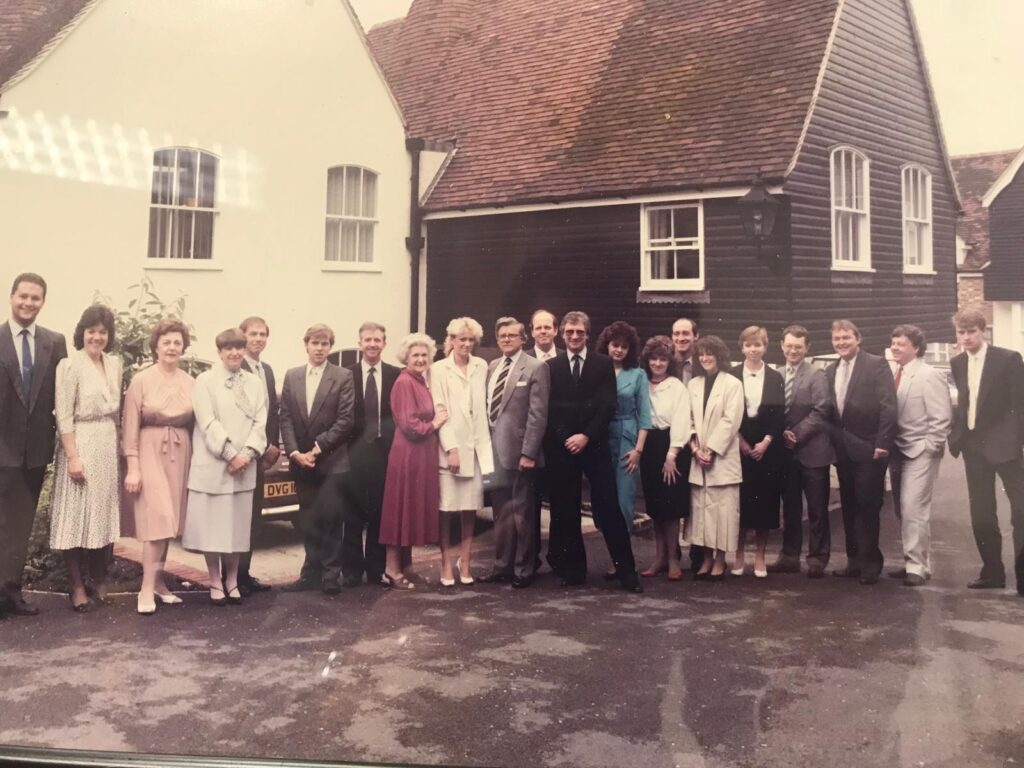
The “& Co” was, if we’re honest, my wife on the typewriter and my mum on teas. But branding is everything.
Within three months the work flooded in. By 1978, I invited Jim Knight to join me, first as a salaried partner, then as equity partner. Jim, quite possibly the best costs draftsman of his generation, helped to open our London office. For a while, we were convinced we were ‘The’ premier cost firm on the planet, though possibly only our mums agreed.
By 1989, I realised we needed proper financial control and persuaded Neil Ventre to join as finance director and shareholder. In 1990 we went big: incorporated as the first Costs PLC—Professional Legal Consultants PLC, trading as Kain Knight. The plan was to float. We collected group companies like other people collect novelty mugs.
In 1991 Paul Leakey arrived to build LCN, the personal injury and clinical negligence arm. The nineties were a blur of training, growth, and trying to explain to normal people what a costs draftsman actually does.
Running a business has its highs and lows. We recruited brilliant people (we still do) and some inevitably left to set up in competition. Annoying? Yes. Unavoidable? Also yes. My mantra became: “Get over it.” However, the real challenge was getting paid—especially on CFA work.
Fast-forward to 2015: Nick McDonnell joined to expand into the Midlands and North. By 2016 the industry was heading to digital. I, on the other hand, was more comfortable with a fountain pen than the cloud. In 2018 we welcomed Francis Kendall to grow our Commercial work in the City.
I tried bringing in outside CEOs. Let’s just say they didn’t stick, so in 2019 my son, Matt, who had grown up pretending he wasn’t destined for this business—finally surrendered to fate.
His condition? “Only if I can do it my way.”
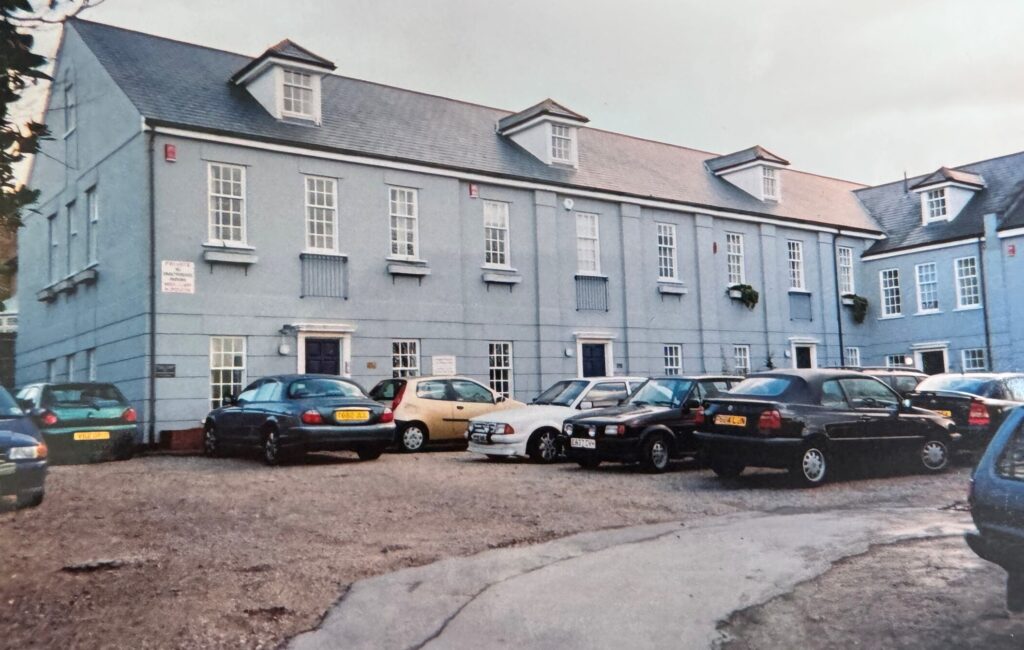
Imagine my face as I watched him dismantle everything I’d built. Long-serving staff left (sad for me), the office block we owned went on the market, and he calmly suggested everyone might like to work from home.
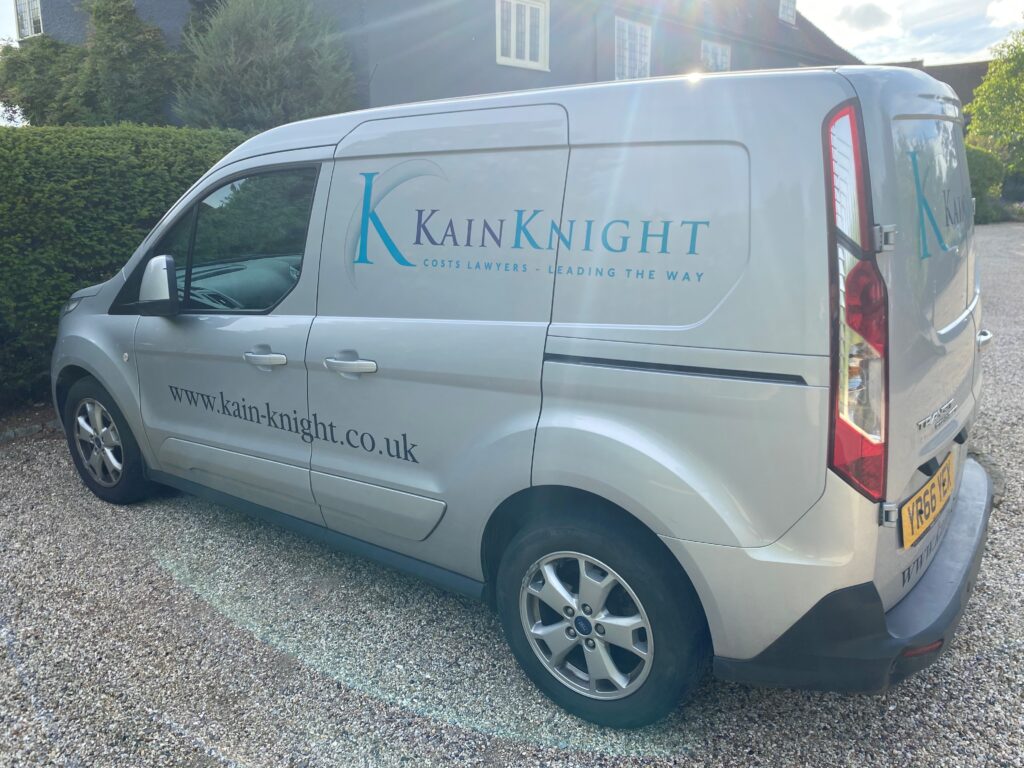
Then he convinced clients to stop sending paper files and went virtually 100% paperless, so then the van was no longer required. At least he’s kept the paperclips, I thought, but alas they went as well.
He restructured finances, designed a marketing plan that worked without relying on social media (miraculous), and prepared the company for a future I could barely imagine.
Then came Covid. While the rest of the world scrambled, we were already set up for remote work.
Turns out, certain people might have thought he had a vision, and, annoyingly, they were right. Under Matt’s guidance the company has boomed.
We remain, according to many, the gold standard of costs. We’re attracting top clients and top draftsmen.
The future? Bright. Opportunities abound, at home and internationally.

