


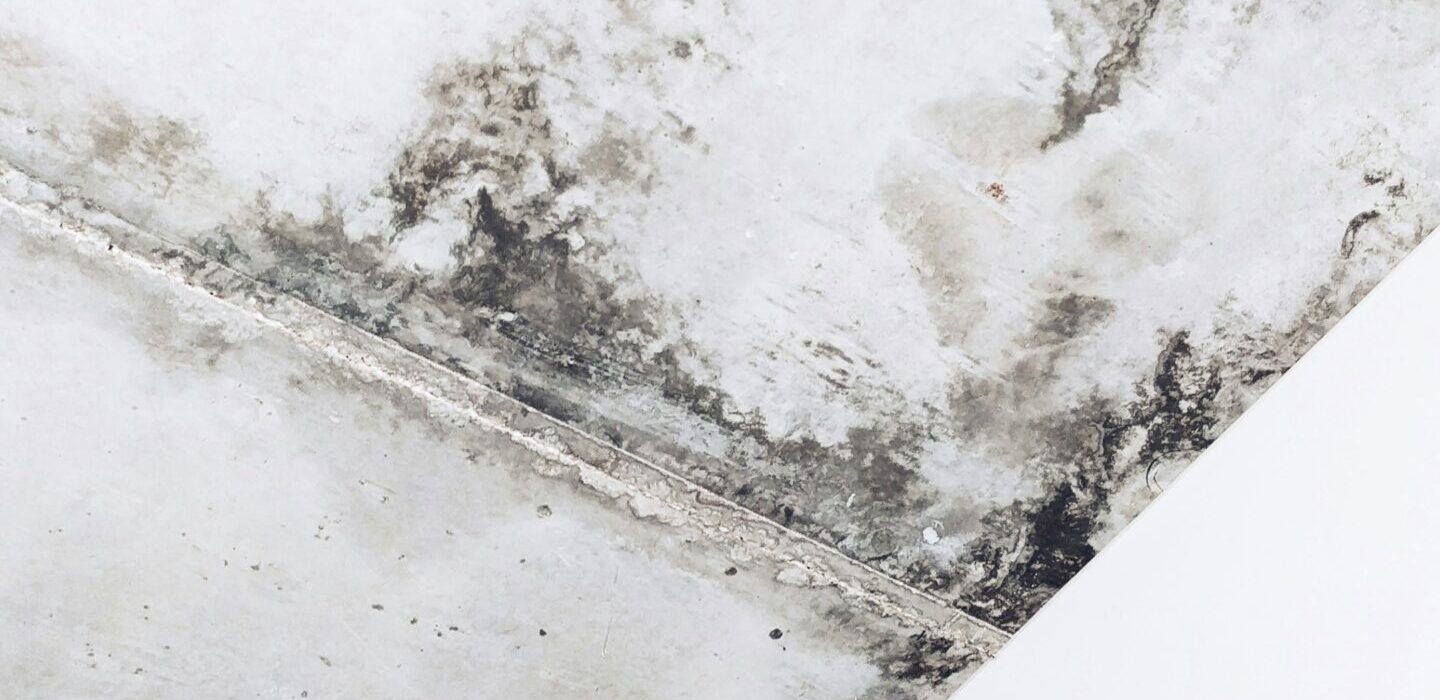
Awaab’s Law: Phase One Comes into Force
From 27 October 2025, Phase One of Awaab’s Law officially took effect in England. Named in memory of two-year-old Awaab Ishak, who tragically died in 2020 from prolonged exposure to damp and mould, this new law gives tenants stronger rights and puts strict new duties on social landlords to investigate and fix hazardous conditions quickly. It marks a big step forward in making sure every home is safe, dry, and healthy.
What Phase One Covers
Phase One applies to social landlords (mainly councils and housing associations) in England. At this stage, the rules cover two key types of hazards:
- Emergencies that pose an immediate threat to health or safety (such as gas leaks, dangerous electrics, or severe mould).
- Damp and mould that could cause serious harm to health.
More hazards will be added in later phases from 2026, but for now the focus is firmly on emergencies and serious damp and mould problems.
The New Time Limits
The new law sets out fixed timelines that landlords must follow once they become aware of a problem:
24 Hours – Make Emergencies Safe
- If a serious hazard like a gas leak, dangerous wiring, or severe mould is reported, landlords must investigate and make the home safe within 24 hours.
10 Working Days– Investigate Damp & Mould
- Where damp or mould could pose a significant health risk, the landlord must investigate within 10 working days.
5 Working Days – Start Repairs or Other Action
- If the investigation finds a serious risk, the landlord must start repairs or other action within 5 working days of the inspection.
3 Working Days – Give Written Findings
- Once the investigation is complete, the landlord must send the tenant a written summary of what was found and what happens next, within 3 working days.
When the Clock Starts
The countdown begins as soon as the landlord becomes aware of the problem—this could be through a tenant report, staff inspection, contractor report, or even information passed on by another organisation. The safest approach for landlords is to treat every credible report as the trigger for these deadlines.
Support for Vulnerable Households
Landlords must pay special attention to vulnerable tenants such as young children, elderly people, or those with health conditions. If a home can’t be made safe quickly, the tenant may need to be moved into temporary accommodation until repairs are complete.
What Tenants Should Expect
Social housing tenants now have clear timeframes for action. They should:
- Report problems as soon as possible, ideally in writing or through their landlord’s official system.
- Keep dated records and photos of the issue.
- Expect emergency action within 24 hours and investigation of damp or mould within 10 working days.
- Receive a written update within 3 working days after the investigation.
If the landlord fails to meet these deadlines, the tenant can seek legal advice or raise a complaint with the Housing Ombudsman.
Why Awaab’s Law Matters
For too long, tenants have lived in unsafe homes while repairs dragged on for months. Awaab’s Law changes that by setting clear, enforceable time limits. It holds landlords accountable and gives tenants the confidence that serious hazards will be dealt with fast.
It’s also part of a wider drive to improve housing standards and prevent avoidable tragedies like Awaab Ishak’s death.
Housing Claims and Litigation Costs
Despite the government’s move to introduce fixed recoverable costs regimes to most civil claims from 1 October 2023, housing conditions claims were awarded an initial exemption to such reforms to October 2025. Then, in June 2025, the government extended that exemption for at least a further three years to October 2028 when matters would be reviewed. The government’s justification for this further exemption was to consider the litigation costs position in conjunction with assessing the phased impact of Awaab’s Law so that there would be a consistency in approach.
Here at Kain Knight, we have specialist teams assisting firms who specialise in housing claims and who are experienced in the particular features of such claims including their complexities, importance and the often vulnerable nature of the Claimants.
Looking Ahead
This is only the first phase. The government plans to extend Awaab’s Law to cover more types of hazards and, eventually, to bring similar protections to private renters. For now, Phase One sets the standard: no tenant should have to live with damp, mould, or other dangers.
In Summary
Awaab’s Law gives tenants real power to demand safe, healthy homes. From 27 October 2025, social landlords must act quickly – within 24 hours for emergencies, 10 working days to investigate damp and mould, 5 working days to start action, and 3 working days to update tenants in writing. It’s about respect, responsibility, and making sure everyone has a home fit to live in.
But achieving that end can often be a battle for tenants and the ability of tenants’ legal representatives to recover their reasonable costs is at the heart of ensuring continued access to justice. Kain Knight are proud to have the opportunity to support the legal industry in this regard.

